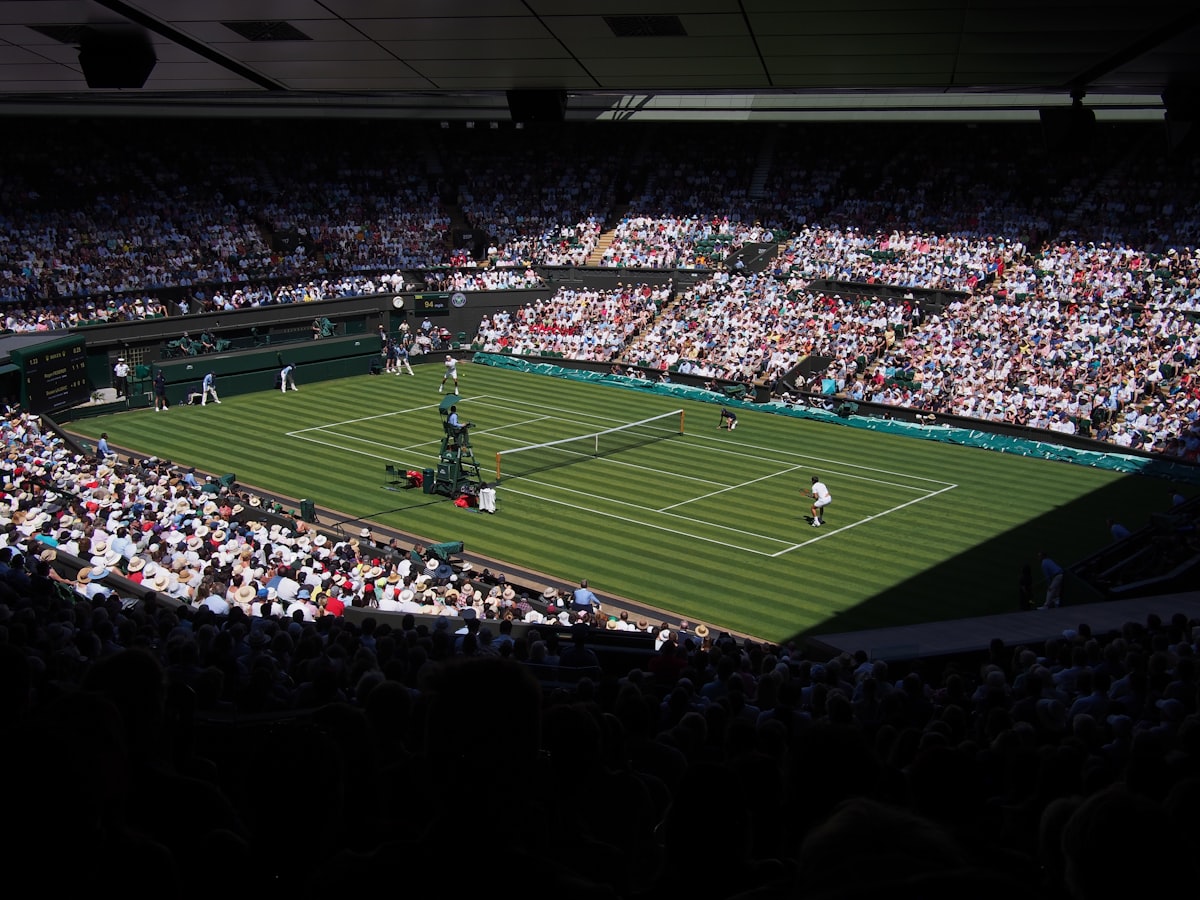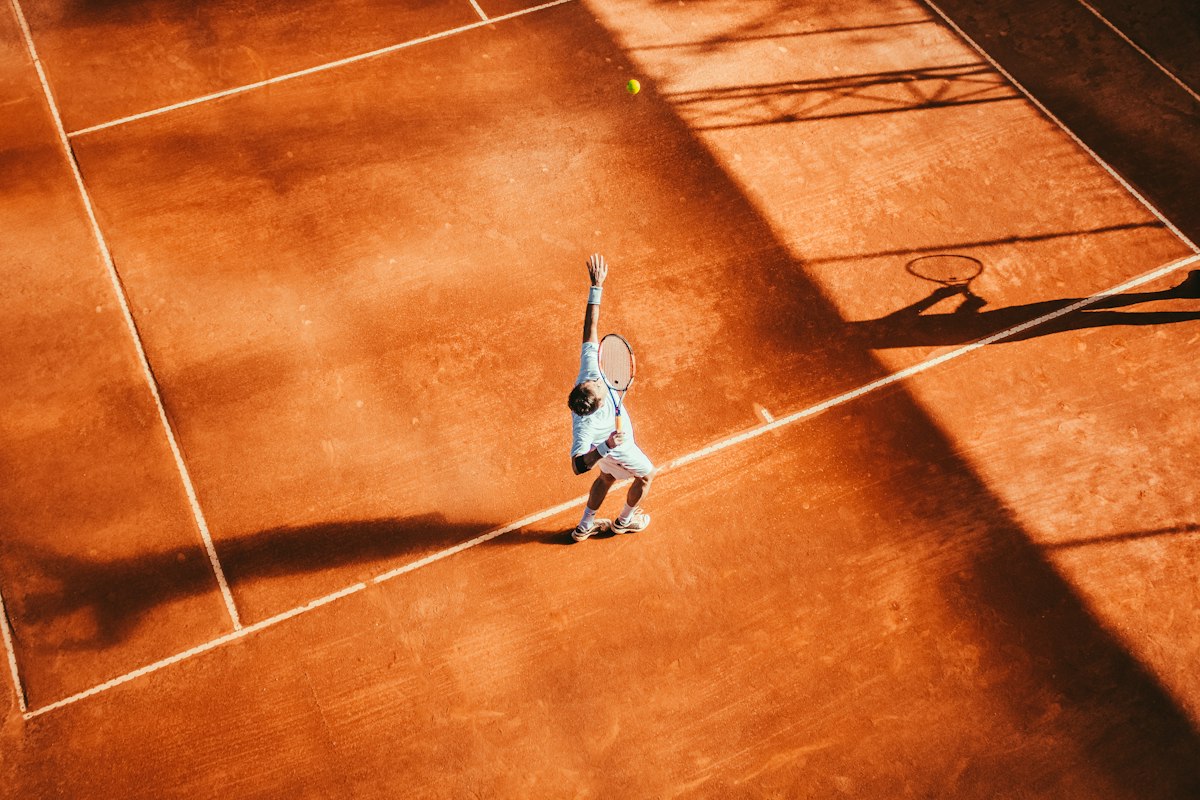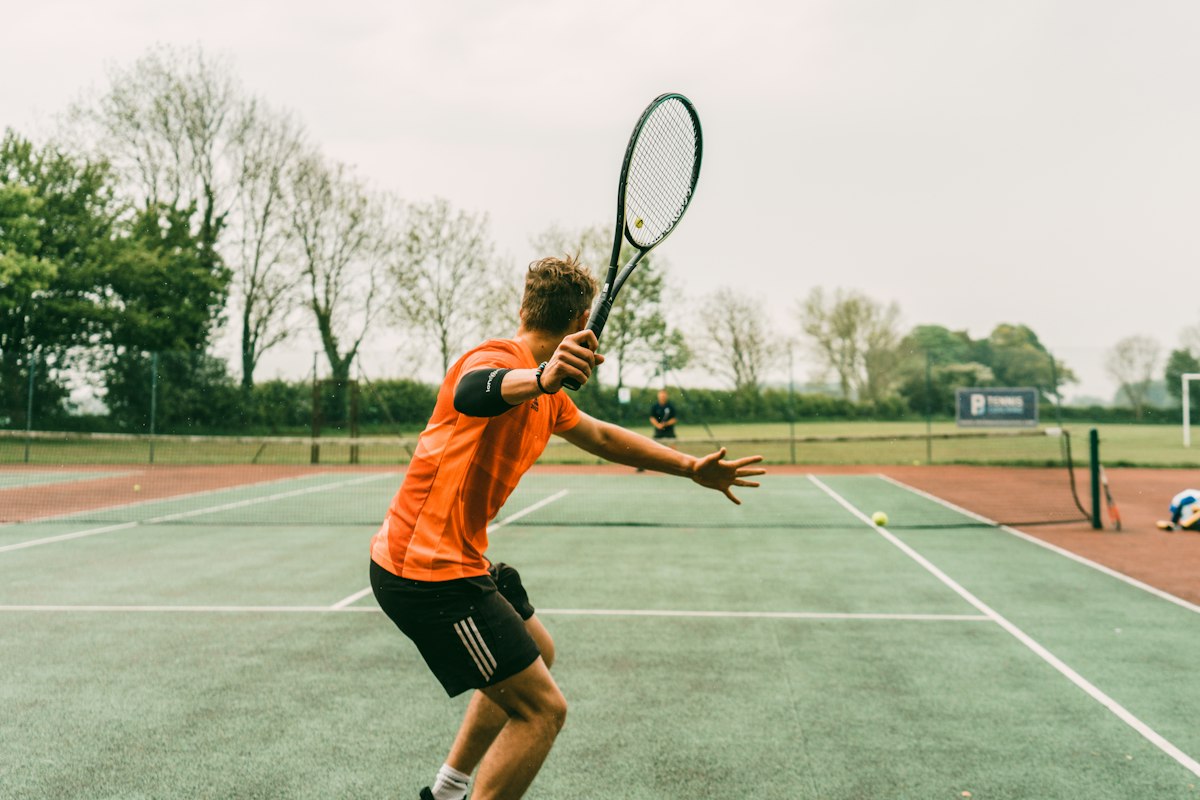
The US Open is often the least orderly Grand Slam. By the time New York arrives, the season has already absorbed months of travel, surface changes, and cumulative wear. That means the title race is shaped not only by hard-court quality, but also by who still has enough physical and emotional clarity to handle chaos.
Why the Surface Rewards First-Strike Clarity
The hard courts in New York usually create a specific kind of pressure:
- first serves matter because returners attack second serves aggressively
- short forehand exchanges decide momentum quickly
- scoreboard tension rises fast when service games shorten
Unlike clay, players do not always get time to rebuild a point after one loose ball.
The Hidden Factor: Late-Season Fatigue
The best US Open contenders are rarely just the most talented. They are often the players whose movement remains efficient and whose serve rhythm survives the late-season load.
That changes how to read form:
- not every summer title run is a positive sign
- not every quiet lead-in means a player is underprepared
Sometimes freshness matters more than recent trophy count.
Draw Volatility Is Real
New York tends to generate more unstable match conditions than other majors. Night sessions, weather variation, and the emotional speed of the tournament can push matches into abrupt momentum swings. Players who protect their serve under noise and tempo disruption gain a real edge.
Editorial Assessment
The 2026 US Open should be read as a Grand Slam of execution under fatigue. Hard-court talent still defines the ceiling, but the eventual champion will likely be the player who serves clearly, recovers efficiently, and resists the tournament's natural volatility better than everyone else.